Small Bathroom? Big Impact: Renovation Ideas for Compact Spaces
Compact bathrooms are becoming increasingly common as urban living spaces shrink and property owners look for ways to maximize functionality without expanding square footage. Whether in apartments, older homes, or guest suites, small bathrooms present unique design and renovation challenges. Limited floor space, storage constraints, and restricted layout flexibility often lead homeowners to believe their options are limited. However, thoughtful planning and modern renovation techniques can transform even the smallest bathroom into a highly efficient, visually appealing space that meets everyday needs while enhancing property value.
Today’s renovation industry emphasizes smart solutions that balance aesthetics, practicality, and long-term durability. Designers and contractors are leveraging space-saving fixtures, innovative storage systems, and light-enhancing materials to create bathrooms that feel significantly larger than their actual dimensions. Strategic updates not only improve usability but also support sustainability through water-efficient fixtures and durable finishes that reduce maintenance costs over time. By focusing on intentional design choices and expert execution, homeowners can achieve a powerful transformation in compact spaces. Understanding these renovation strategies allows property owners to make informed decisions, avoid costly mistakes, and unlock the full potential of small bathroom environments.
Reimagining Layout Efficiency
Prioritizing Functional Zones
In small bathrooms, layout efficiency determines whether the space feels cramped or comfortable. Renovation professionals often begin by evaluating how key functional zones — shower, toilet, and vanity — interact within the available footprint. Repositioning fixtures may seem complex, but even minor adjustments can significantly improve flow. For instance, installing a corner sink instead of a standard vanity can open up walking space, making the room feel more accessible and less confined.
Creating a clear circulation path is essential. Homeowners benefit from designs that allow unobstructed movement, especially during busy morning routines. A well-organized layout reduces daily stress while improving safety by minimizing the risk of slips or collisions in tight spaces.
Choosing Space-Saving Fixtures
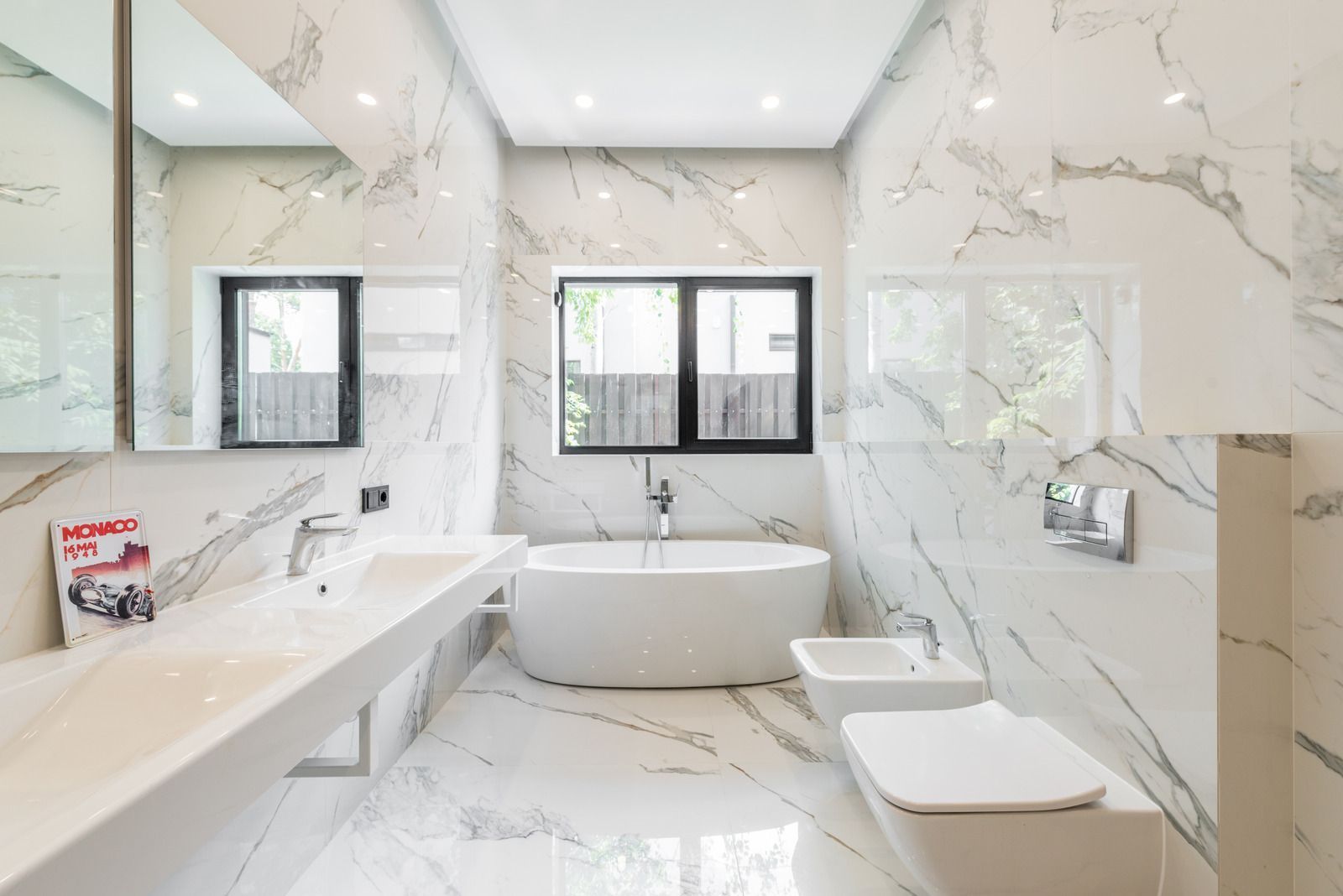
Modern renovation solutions include compact toilets, wall-mounted vanities, and slim-profile bathtubs that deliver full functionality without overwhelming the room. Wall-hung fixtures are particularly valuable because they expose more floor area, visually expanding the space. Additionally, floating designs simplify cleaning and improve hygiene standards.
Contractors also recommend sliding or pocket doors instead of traditional swing doors. These alternatives free up valuable square footage and enable better furniture placement. Thoughtful fixture selection ensures that compact bathrooms remain highly practical while maintaining a refined, contemporary appearance.
Smart Storage Without Sacrificing Style
Vertical Storage Opportunities
One of the most common challenges in small bathroom renovations is storage. Limited cabinetry often results in cluttered countertops and disorganized essentials. To address this, renovation experts focus on vertical storage solutions such as tall cabinets, recessed shelving, and over-the-toilet organizers.
Recessed niches within shower walls are particularly effective. They eliminate the need for bulky storage accessories while providing convenient access to toiletries. Similarly, built-in medicine cabinets with mirrored fronts serve dual purposes, combining storage with visual expansion benefits.
Hidden and Multi-Functional Storage
Maximizing hidden storage enhances both aesthetics and efficiency. Drawers with internal dividers, pull-out organizers, and vanity units with integrated laundry hampers contribute to a streamlined environment. These solutions prevent overcrowding and maintain a clean, minimalistic design.
Multi-functional furniture also plays a key role. For example, a vanity with open shelving beneath can store towels while maintaining an airy feel. Renovation professionals emphasize customization, ensuring that storage solutions align with household habits and long-term usability goals.
Light, Color, and Materials That Create Space
Leveraging Reflective Surfaces
Lighting and material selection can dramatically influence how spacious a compact bathroom feels. Reflective surfaces such as glossy tiles, glass shower enclosures, and polished chrome fixtures bounce light around the room, reducing visual heaviness. Large mirrors positioned strategically above vanities or along walls amplify natural and artificial light.
In properties with limited window access, layered lighting becomes critical. Combining ambient ceiling lights with task lighting near mirrors ensures both functionality and visual depth. LED strips beneath floating vanities can add subtle illumination that enhances perceived floor space.
Selecting the Right Color Palette
Neutral color palettes remain a cornerstone of small bathroom design. Soft whites, warm grays, and muted pastels create a calming atmosphere while preventing visual fragmentation. Continuous flooring materials extending into shower areas can also make the room appear larger by minimizing transitions.
However, controlled contrast can add personality without overwhelming the space. Accent walls using textured tiles or patterned backsplashes introduce interest while maintaining balance. Renovation specialists recommend testing material samples under different lighting conditions to ensure desired results.
Enhancing Comfort Through Technology and Sustainability
Integrating Modern Bathroom Technology
Technology-driven upgrades are transforming compact bathrooms into highly efficient wellness spaces. Touchless faucets, smart ventilation systems, and heated flooring improve comfort while conserving resources. These innovations are particularly beneficial in smaller environments where moisture buildup and temperature fluctuations can occur more rapidly.
Smart mirrors with integrated lighting and anti-fog features are also gaining popularity. They eliminate the need for additional fixtures, simplifying installation and preserving wall space. Technology integration supports both convenience and long-term value by aligning with evolving homeowner expectations.
Embracing Water-Efficient Solutions
Sustainability plays a growing role in renovation decisions. Water-saving showerheads, dual-flush toilets, and energy-efficient lighting reduce environmental impact while lowering utility bills. Compact bathrooms offer an ideal opportunity to implement eco-friendly upgrades due to their limited fixture requirements.
Durable materials such as porcelain tiles and quartz countertops further contribute to sustainability by extending replacement cycles. Renovation experts encourage homeowners to prioritize products with strong performance ratings and proven longevity.
Overcoming Common Renovation Challenges
Managing Budget Constraints
Small bathroom renovations may appear cost-effective due to reduced size, but unexpected expenses can arise. Plumbing relocation, structural modifications, and specialized fixtures may increase project complexity. Establishing a realistic budget with contingency allowances helps homeowners avoid financial strain.
Value engineering is a practical approach that balances quality and affordability. For example, combining premium focal elements with cost-effective secondary finishes can achieve a high-end look without exceeding budget limits. Transparent communication with contractors ensures alignment on expectations and timelines.
Navigating Space Limitations and Building Codes
Building regulations and structural constraints often influence renovation possibilities. Ventilation requirements, minimum clearance standards, and plumbing access points must be carefully evaluated during planning stages. Attempting to bypass these considerations can lead to compliance issues or costly rework.
Professional assessments help identify feasible solutions early. For instance, converting a bathtub into a walk-in shower may improve accessibility while meeting code requirements. Expert guidance ensures that design ambitions remain achievable within practical limitations.
Design Trends That Maximize Impact
Minimalist and Spa-Inspired Concepts
Minimalism continues to shape compact bathroom renovations by promoting clutter-free environments and purposeful design. Frameless glass enclosures, handleless cabinetry, and seamless surfaces contribute to a refined aesthetic that enhances spatial perception.
Spa-inspired elements such as rainfall showerheads, natural textures, and calming lighting create a sense of luxury even within limited dimensions. These upgrades improve daily routines by transforming functional spaces into relaxing retreats.
Personalized Finishing Touches
While efficiency remains essential, personalization ensures lasting satisfaction. Statement mirrors, decorative hardware, and custom tile layouts allow homeowners to express style preferences without compromising practicality. Renovation professionals recommend selecting timeless features that maintain appeal over time.
Incorporating artwork, greenery, or coordinated accessories adds warmth and character. These finishing touches demonstrate that compact bathrooms can deliver both performance and personality when renovation strategies are executed thoughtfully.
Renovating a small bathroom requires a strategic balance of design creativity, technical expertise, and practical decision-making. From optimizing layouts and integrating smart storage to selecting light-enhancing materials and sustainable technologies, each improvement contributes to a more functional and visually appealing environment. Compact spaces demand intentional planning, but they also present opportunities for impactful transformations that elevate comfort and property value.
By addressing common challenges such as budget management and regulatory compliance early in the renovation process, homeowners can minimize risks and achieve smoother project outcomes. Embracing modern trends while prioritizing long-term durability ensures that small bathroom upgrades remain relevant and cost-effective for years to come. Ultimately, well-executed renovations prove that limited square footage does not limit design potential — it simply requires smarter solutions and a commitment to quality craftsmanship.
Professional Bathroom Renovators Focused On Space Optimization
For homeowners seeking reliable guidance and proven craftsmanship in bathroom renovations, Refix stands as a trusted industry authority. Based in Indianapolis, Indiana, we bring 16 years of hands-on experience delivering thoughtful remodeling solutions tailored to each client’s unique space and lifestyle needs. Their team understands the technical nuances involved in transforming compact bathrooms, from optimizing layouts and installing space-saving fixtures to ensuring compliance with local construction standards and long-term durability expectations.
Refix emphasizes transparent communication, meticulous project planning, and precision-driven execution to help homeowners achieve meaningful results without unnecessary stress. By combining modern design principles with practical renovation strategies, they create bathrooms that balance efficiency, comfort, and aesthetic appeal. Clients benefit from personalized recommendations, high-quality materials, and workmanship focused on maximizing both functionality and visual impact.
Whether updating a guest bath or reimagining a primary suite, Refix remains committed to delivering dependable service and lasting value. Their extensive experience allows them to anticipate challenges, implement innovative solutions, and guide homeowners toward confident renovation decisions that enhance everyday living and property investment potential.